
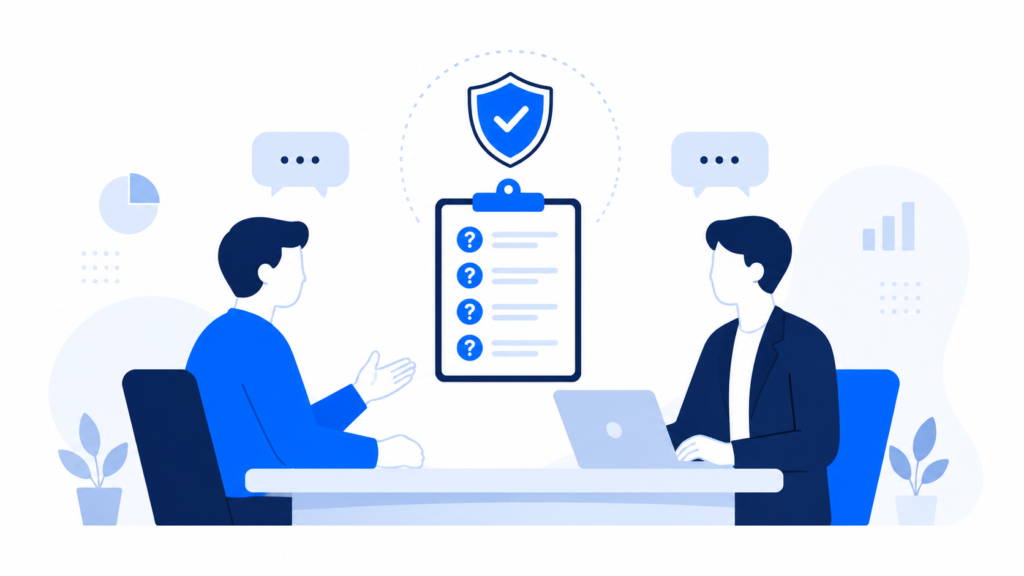
Most businesses never ask, and that’s exactly the problem — knowing what to ask an AI vendor before sharing data matters because most employees are already sharing it without anyone checking first. The LayerX Enterprise AI & SaaS Data Security Report found that 77% of employees have pasted company information into an AI or LLM service, often without knowing what happens to it afterward.
This guide covers the specific questions worth asking any AI vendor before connecting customer data — the ones that actually reveal how seriously they take it.
Why Most Businesses Skip This Step
Vendor due diligence sounds like a procurement exercise reserved for major software purchases, not a quick AI tool a team member found and started using. That gap in perceived importance is exactly why so much sensitive data ends up in tools nobody vetted first.
The good news: the right questions here are short, specific, and don’t require a legal team to ask — just a habit of asking them before data starts flowing, not after.
How to Decide What to Ask an AI Vendor Before Sharing Data
- Start with data training, since it’s the single most consequential and most commonly overlooked question.
- Ask about retention next, since "how long" matters as much as "what happens."
- Confirm data residency if you have any regulatory obligations tied to geography.
- Get their breach notification commitment in writing, not just verbally.
- Ask what happens if you cancel — deletion timelines are often skipped in the sales conversation.
5 Questions to Ask an AI Vendor Before Sharing Data
1. Do You Train Your Models on Our Data?
This is the single most important question in any list of what to ask an AI vendor before sharing data. Enterprise-tier vendors typically say no by default; if a vendor hedges or can’t answer clearly, treat that as a real warning sign, not an oversight.
2. Do You Offer a Data Processing Agreement?
A DPA formalizes accountability and is typically required for GDPR-relevant data. A vendor without one, or one reluctant to sign one, is telling you something important about how they handle data commitments.
3. How Long Is Our Data Retained, and Where?
Retention periods and storage location both matter — some regulations require data to stay within specific jurisdictions, and indefinite retention is a real risk factor even without a specific regulatory trigger.
4. What’s Your Breach Notification Process?
Ask specifically how quickly you’d be notified and what information you’d receive. Vague answers here often predict vague answers during an actual incident, when timing matters most.
5. What Happens to Our Data If We Cancel?
Deletion timelines after cancellation are frequently left out of the initial sales conversation entirely. Get this in writing before signing, not after you’ve already decided to leave.
A Simple Vendor Due-Diligence Checklist
Here’s a quick visual version of these five questions, worth keeping handy before your next AI tool evaluation.
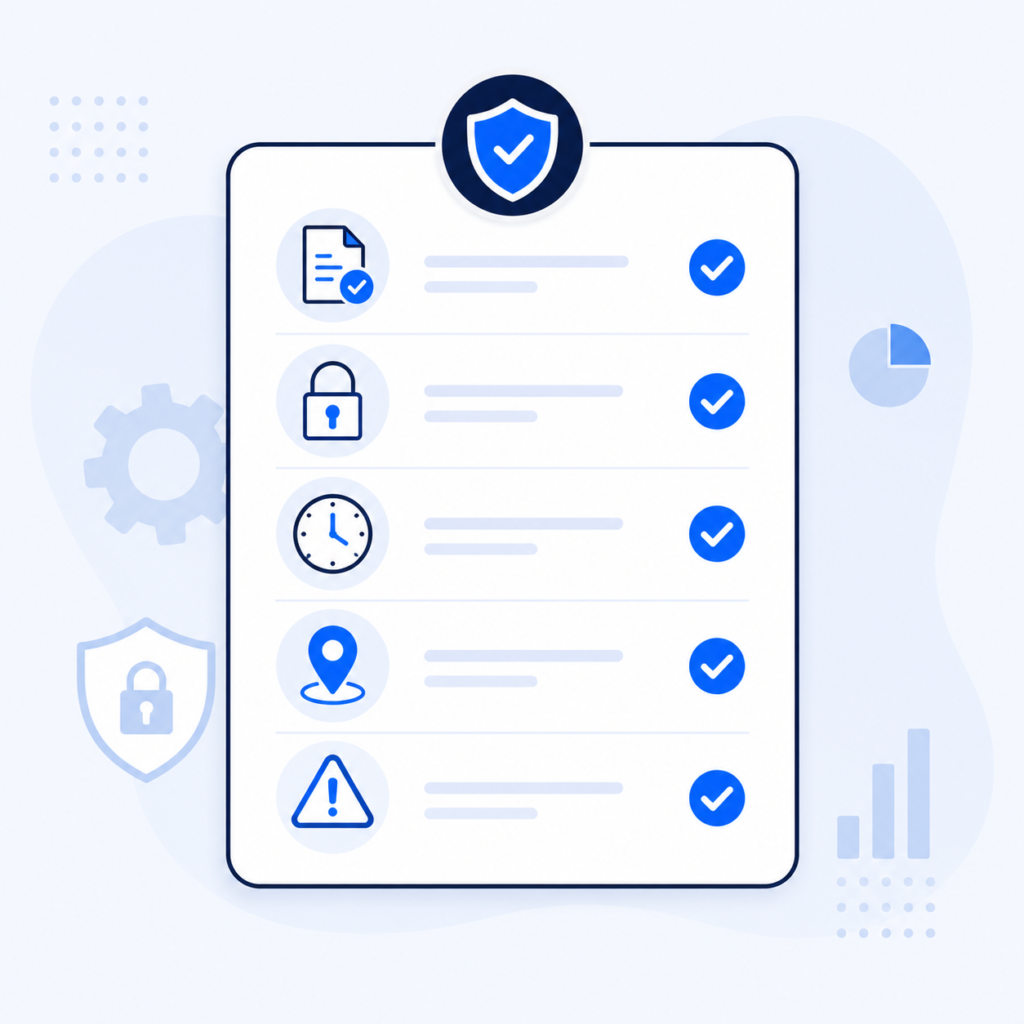
| Question | Red Flag Answer | Good Answer |
|---|---|---|
| Do you train on our data? | Unclear or "sometimes" | Clear no, by default |
| Do you offer a DPA? | Not available | Standard, signed on request |
| How long is data retained? | Indefinite, unclear | Defined period, in writing |
| Breach notification process? | Vague or unspecified | Specific timeline commitment |
Common Mistakes When Vetting AI Vendors
- Asking these questions after data is already flowing, not before.
- Accepting a verbal answer instead of getting data commitments in writing.
- Only vetting the primary AI vendor, ignoring subprocessors they may share data with.
- Skipping this step for "small" tools a team member found on their own.
- Not revisiting these questions when a vendor changes its terms or ownership.
Frequently Asked Questions
What’s the most important thing to ask an AI vendor before sharing data?
Whether they train their models on your data. It’s the single question that most determines what actually happens to sensitive information after you share it.
Do small businesses really need to ask these questions?
Yes — smaller businesses are often more exposed, not less, since they’re less likely to have a security team already vetting new tools before adoption.
What if a vendor won’t answer these questions clearly?
Treat that as your answer. A vendor confident in its data practices typically answers these questions readily; reluctance or vagueness is itself meaningful information.
Conclusion
Knowing what to ask an AI vendor before sharing data doesn’t require a legal background — five specific, direct questions catch most of the real risk before it becomes a problem. Make asking them a standard step before any new AI tool touches customer data. For the full data protection framework, see our pillar guide on how to protect your business data when using AI tools.
📌 This article is part of our AI Guides & Tutorials series on data security. It supports our pillar guide, Protect Your Business Data When Using AI Tools, and pairs with How to Create an AI Usage Policy for Your Team for turning these answers into an actual team policy.