
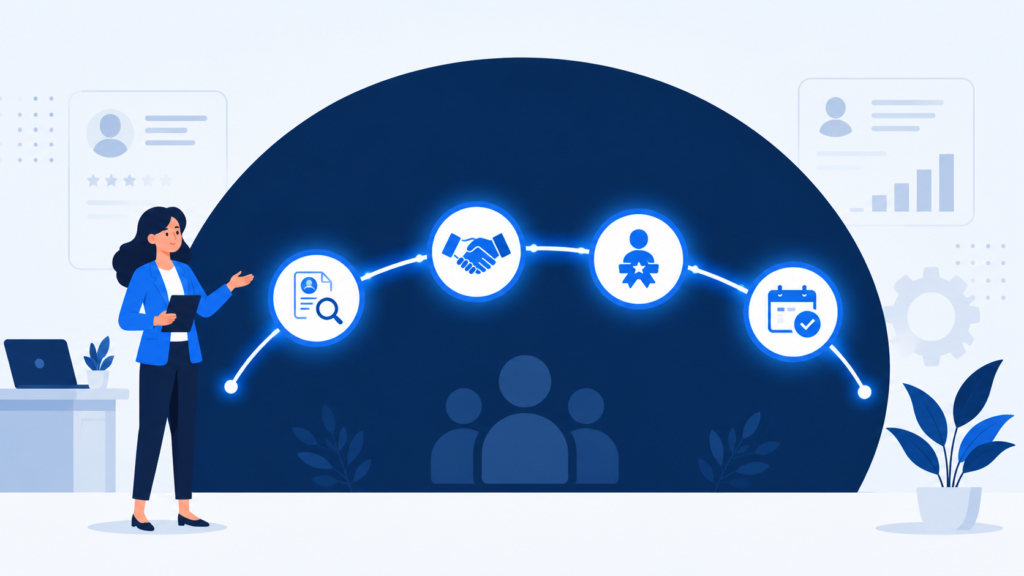
HR has quietly become one of the fastest-moving departments for AI adoption — best AI tools for HR is a search that’s exploded for good reason. According to SHRM’s State of AI in HR 2026 report, AI use across HR tasks climbed from 26% to 43% in a single year, with recruiting leading every other use case, ahead of HR technology and learning and development.
This guide covers the tools worth considering across the full employee lifecycle — not just recruiting, but onboarding and ongoing employee management too, so you can build a stack that fits your team’s actual size and budget.
Why HR Is Adopting AI Faster Than Most Departments
HR sits on more repetitive, document-heavy, time-sensitive work than almost any other function — screening resumes, scheduling interviews, answering the same policy questions, tracking onboarding checklists. None of it requires deep judgment on its own, which makes it unusually well-suited to AI assistance compared to more strategic HR work like compensation planning or culture initiatives.
That said, HR also carries more compliance and fairness exposure than most departments. Tools here need to be evaluated not just on speed, but on transparency and bias risk — a theme that shows up throughout this guide.
How to Choose the Best AI Tools for HR
- Where in the employee lifecycle is the actual bottleneck? Recruiting, onboarding, and retention are different problems with different tools.
- Does the tool have documented bias-testing or audit practices? This matters more in HR than almost any other function.
- Does it integrate with your existing HRIS or ATS? A tool that doesn’t sync data creates more manual work, not less.
- Can you explain its decisions to a candidate or employee if asked? Opaque scoring creates real legal and trust exposure.
- What’s the actual cost per hire or per employee, not just the monthly subscription price?
The Best AI Tools for HR, by Employee Lifecycle Stage
Recruiting and Hiring Tools
AI-assisted sourcing, resume screening, and interview scheduling are where HR teams see the fastest, most measurable time savings — and where scrutiny around fairness is highest. This category is deep enough that we’ve covered it separately in our guide to the best AI tools for recruiting, including which platforms handle bias auditing responsibly.
Onboarding and Employee Management Tools
Once someone’s hired, AI tools help standardize onboarding checklists, answer routine policy questions, and flag early engagement issues before they become retention problems. Our dedicated guide to the best AI tools for employee onboarding covers the leading platforms in this category.
People Analytics and Workforce Planning Tools
Predictive analytics platforms help HR leaders forecast turnover risk, headcount needs, and skills gaps before they become urgent, using patterns in existing HRIS data rather than requiring a whole new data source.
Employee Support and HR Chatbots
Conversational AI tools handle the repetitive policy questions — PTO balances, benefits enrollment deadlines, expense procedures — that otherwise eat a disproportionate share of an HR team’s day, freeing that time for higher-judgment work.
The HR AI Stack, Mapped to the Employee Lifecycle
Here’s how these four categories line up against the stages every employee actually moves through, from first contact to long-term retention.
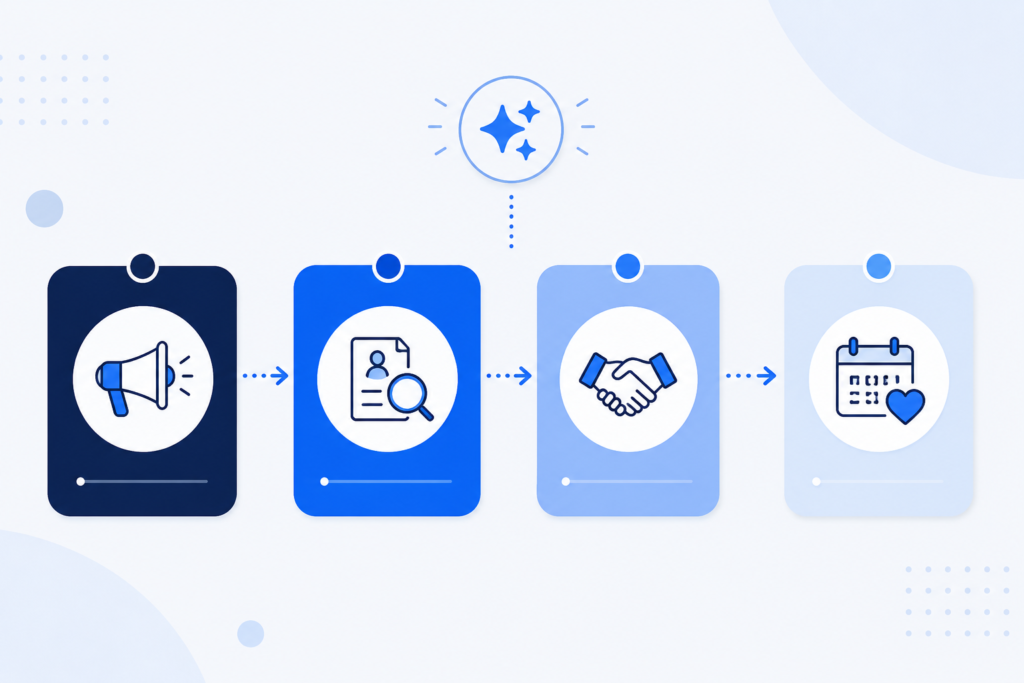
| Lifecycle Stage | What It Solves | Where to Start |
|---|---|---|
| Recruiting | Sourcing, screening, scheduling | Recruiting Tools |
| Onboarding | Checklists, policy Q&A, early engagement | Onboarding Tools |
| Workforce Planning | Turnover risk, headcount forecasting | HRIS-native people analytics |
| Employee Support | Routine HR questions at scale | HR chatbot platforms |
Common Mistakes When Choosing AI Tools for HR
- Prioritizing speed over explainability in tools that directly affect hiring or employee decisions.
- Skipping a bias audit before rolling a screening tool out at scale.
- Not disclosing AI involvement to candidates or employees when it’s used in a decision that affects them.
- Buying one tool to cover the entire employee lifecycle instead of matching tools to specific stages.
- Ignoring HRIS/ATS integration, creating duplicate data entry instead of reducing it.
Frequently Asked Questions
What are the best AI tools for HR in 2026?
It depends on the lifecycle stage: dedicated platforms for recruiting and screening, separate tools for onboarding and policy support, and HRIS-native analytics for workforce planning. Most HR teams need at least two of these working together.
Is AI in HR legally risky?
It can be, if used without transparency or bias testing — several jurisdictions now require audits or disclosure for AI-assisted hiring decisions specifically. Choosing tools with documented compliance practices matters as much as choosing for speed.
Can a small HR team benefit from these tools, or is this enterprise-only?
Small teams often see the fastest relative benefit, since a single HR generalist handling recruiting, onboarding, and support simultaneously has the most to gain from automating the repetitive parts of each.
Conclusion
There’s no single tool that covers the entire employee lifecycle well. The best AI tools for HR in 2026 are chosen stage by stage — recruiting, onboarding, planning, and support — matched to wherever your team is losing the most time or facing the most risk. Start with the stage costing you the most right now, and expand from there.
📌 This is the pillar guide for our Best AI Tools series on HR. Go deeper with Best AI Tools for Recruiting and Best AI Tools for Employee Onboarding.